First, make a record. Photograph the box, the pair and the surrounding area before you discard packaging or start cleaning. A damp box does not tell you whether the shoe is wet, mold-affected or damaged. Keep those questions separate.

1. Record the incident before you change it
Write down when and where you found the box, what appears wet, the likely moisture source and whether other boxes are affected. Photograph all sides of the box, labels, tissue, inserts and the shoe as found. Note odor and visible marks without labeling them as mold from a photograph. Keep the original images and add later photos rather than replacing them.
Quick incident record
Found: date, time and location
Exposure: known leak, humidity, spill or unknown
Packaging: wet / damp / dry / unknown
Pair: wet / appears dry / uncertain
Visible change or odor: describe only what you observe
Action taken: who moved what, where and when
Our condition-record guide shows how to retain comparable views for a later check. This incident note adds exposure and handling details.
2. Separate wet packaging from the pair
When it is safe to handle, move a pair out of a wet cardboard enclosure and away from unaffected pairs. Do not close a damp pair in a fresh box or plastic bag as a routine storage solution. Identify and stop the water source, then keep the affected area separate while you assess it. The Canadian Conservation Institute’s immediate-response guidance supports isolating affected collection material and addressing the moisture source; its museum procedures are not a shoe-specific treatment recipe.
3. Decide what is actually affected
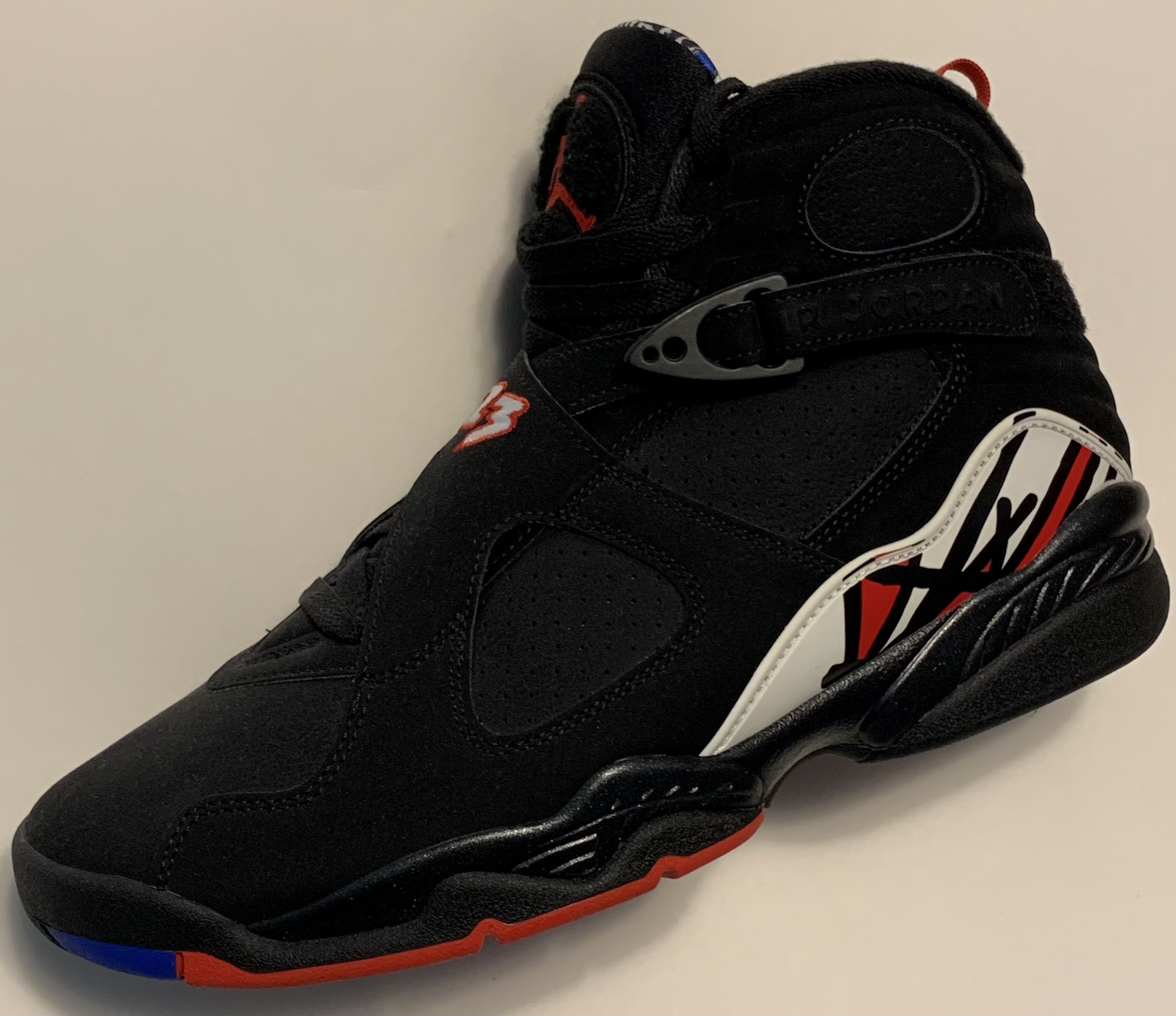
Box damp, pair appears dry: retain the first photos, inspect accessible surfaces and packaging contact points, and make a second dated record after the area is dry. An apparently dry upper does not prove the inside layers were unaffected.
Pair feels wet or the extent is uncertain: document the affected areas and avoid abrasive cleaning, direct heat or a promised number of drying hours. Material layers, adhesives, padding and finishes differ. Our Care Bench drying guide covers routine post-cleaning checks; a water incident may require a different assessment.
Visible growth, persistent musty odor or a wide-area water event: limit handling and keep the affected item away from the clean collection. Do not scrape, brush or apply bleach on the basis of this article. The CCI mold bulletin and EPA home mold guidance both treat moisture control as central, but neither establishes a universal safe procedure for every sneaker composite. Seek qualified help where the material, exposure or health risk is uncertain.
4. Make a dated follow-up check
Once the moisture source is resolved and the pair has been assessed, compare new photographs with the first record. Note changes in shape, surface, odor and packaging separately. Store only when the storage area and materials are appropriate; see our storage guide for the broader collection plan. If the condition changes or uncertainty remains, stop and consult a qualified conservator or restoration professional.
Sources checked October 19, 2026. Institutional collection guidance and EPA building guidance are general; Sole Cartel has not run a sneaker drying experiment or inspected the pictured shoe for moisture. No fixed time, material recovery or wearability outcome is promised.