In Part 1: Inventory Before the Boxes Close, we connected each pair to a dated condition record and a container ID. Carry those same identifiers through this stage. Reassigning numbers halfway through the move makes comparison harder just when you need the earlier record.
This is a proposed collector workflow informed by museum collections guidance. It is not a tested sneaker packing system. There is no universal cushion thickness, stuffing material or box arrangement here, and a successful move cannot establish a shoe's authenticity or wearability.
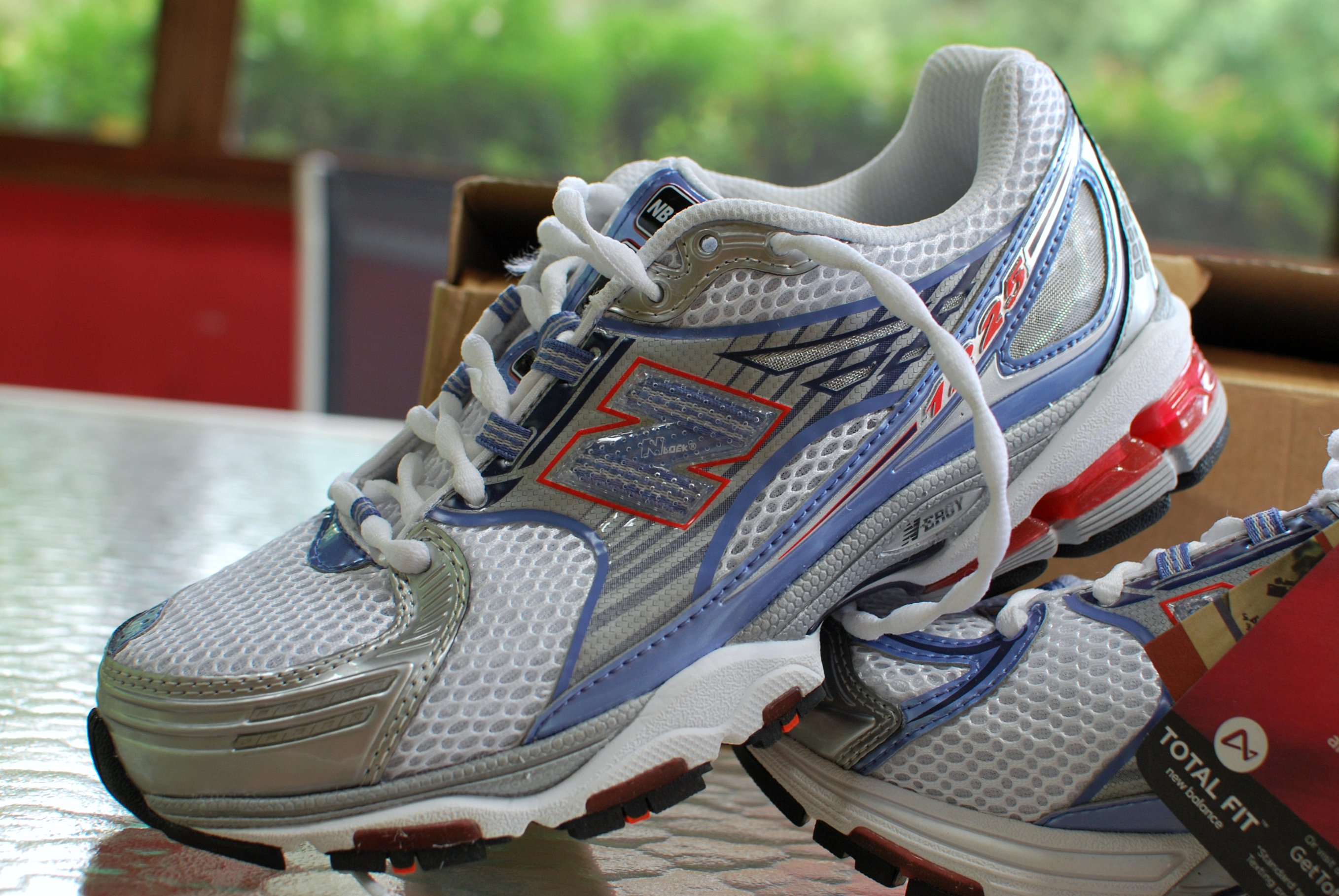
Start with the pair in front of you
Bring up its earlier photographs before choosing the packing arrangement. Check that the ID matches both shoes. Note anything already loose, distorted, flaking or otherwise uncertain; do not discover a fragile area by pressing or flexing it to see what happens.
The Canadian Conservation Institute advises examining objects before moving them and planning support around their condition. An apparently intact object can conceal weakness, and attached parts may be unsuitable lifting points. Those are useful handling principles, but CCI's examples do not diagnose a particular sneaker. CCI: Handling heritage objects
For this workflow, write one short handling note before proceeding: what should the next person know when opening this container? “Left shoe: loose edge already photographed; avoid contact with that area” communicates more than “fragile.” If you cannot identify a reasonable way to support a deteriorating pair, pause its packing plan and seek condition-specific conservation advice rather than applying a generic recipe.
Separate the packing questions
Ask three questions while looking at the proposed arrangement:
- Contact: What could touch each shoe, including its partner, a lid, an accessory or the container wall?
- Support: Where will the shoe's weight rest, and does the arrangement require pressure on an uncertain surface?
- Movement: What could shift inside the container, and how will the container itself be secured during the journey?
CCI's shipment guidance distinguishes collisions, abrasion and deformation from the forces of shock and vibration. It also addresses cargo restraint in the vehicle. A snug-looking interior answers only part of the transport problem; the guide starts with the object's structure, condition and route. CCI: Five Steps to Safe Shipment
Use the accompanying cutaway as a map of questions, not a construction drawing. It does not specify dimensions or prove that a particular arrangement will absorb a drop. Do not shake a packed pair as an improvised protection test.

Choose support without forcing the shape
For historical costume footwear, CCI recommends individual identification, separation and side-by-side storage rather than stacking. Its examples include supports inside and around shoes. That is historical storage guidance, not evidence that every listed material belongs against every modern sneaker coating, foam or adhesive. CCI: Storage for Costume Accessories
Our practical decision rule is to plan around the pair's existing shape and condition. Avoid treating extra pressure as extra protection. If a proposed support has to be forced into place, revise the plan. Keep an uncertain contact material out of the arrangement until its suitability is established; an “archival” label alone does not answer every compatibility question.
Record the materials you actually use and where they contact the pair. “White wrapping” is less useful later than the product identification, if known, and its placement. Do not fill an unknown field with a guess. The record can say “material unidentified” and explain what you will verify before proceeding.
Make the last view before closing count
Once the arrangement is settled, photograph it with the container ID visible on a separate card or label. Keep identifiers off vulnerable shoe surfaces. Save the image alongside the pair record, not only in an unsorted camera roll.
Before closing, check the contents against the list. Record separately packed accessories and their locations. A spare lace bag does not become easier to find because the shoes arrived correctly.
Add a simple opening note if the order matters: which layer comes off first, where the pair is supported, and which parts should not be used as handles. These notes describe your arrangement; they are not a carrier guarantee or proof of protection.
Unpack in a sequence you can reconstruct
Prepare a clear receiving area and retrieve the baseline before opening everything at once. The sequence below is our proposed documentation method, not a CCI-validated sneaker inspection protocol.
- Record the container. Photograph its ID and any visible change before opening it. Describe a dent, wet area or torn seam without inferring what happened inside.
- Record the opening view. Capture the arrangement before removing packing. If items appear displaced, preserve that observation before correcting their positions.
- Match the pair. Confirm the ID, retrieve its handling note and remove supports in a planned sequence. Work through one identified pair at a time.
- Compare corresponding views. Use the earlier angles as a guide and keep lighting and scale as comparable as practical. Keep both originals rather than replacing the earlier photographs.
- Record the destination. Update the pair's new storage location and any unresolved action before moving to the next container.
An intact carton does not establish unchanged shoe condition. A damaged carton does not, by itself, establish damage to the pair. Keep those observations in separate fields.

Describe the difference before naming a cause
Use a comparison record to distinguish what you observed from what you suspect. For example, this is a fictional entry, not a reported Sole Cartel test:
Arrival observation: A pale line is visible at the left toe in today's photograph. Earlier record: The corresponding area is partly in shadow. Comparison: A change cannot be established from these images. Next action: Inspect and record the area under comparable light without rubbing or flexing it.
“No difference visible in these views” is more precise than “undamaged.” If a view is missing or out of focus, record that limitation. Do not turn a gap in the baseline into certainty about when a mark appeared.
CCI's handling guidance calls for recording damage, preferably with photographs, and keeping identified detached pieces with their object. For this workflow, preserve those pieces and their context without attempting an improvised repair during unpacking. CCI: Report damage
Close the move only when each pair has an arrival observation, a current location and a clear next action where needed. You may finish with a question still open. A useful record makes that question visible instead of silently treating it as resolved.