Before you close a moving box, connect three things: a pair ID, a dated record and a container ID. You should be able to look up a pair without opening every box, and find the observations you made before it travelled.
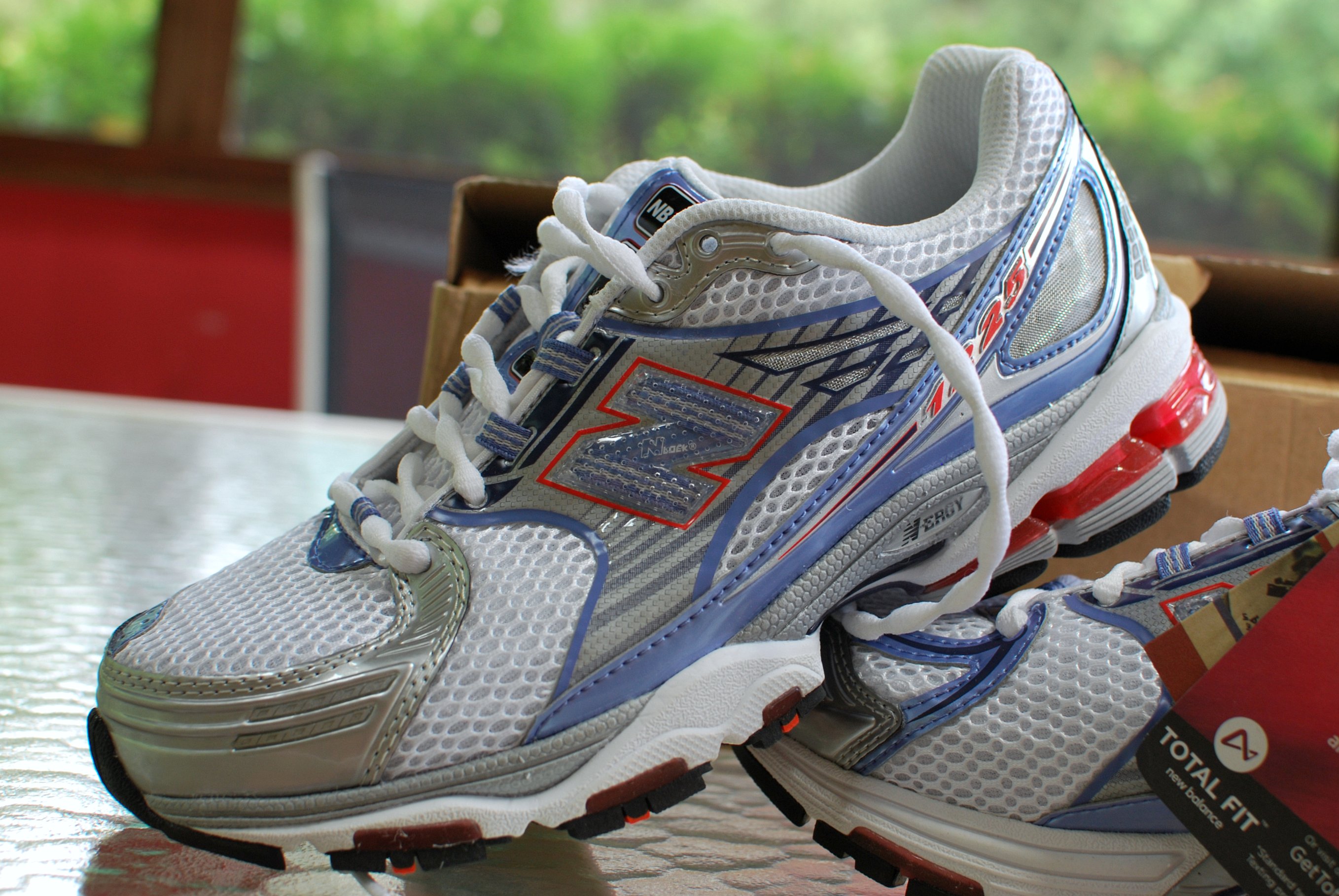
1. Start with one pair
Use an ID that will still make sense after a move: P014 is enough. Keep the pair ID separate from its model name, purchase price or storage position. Record left and right as present, absent or not checked; if they travel separately, note each location explicitly.
Transcribe visible style and size labels as observations. If a label is unreadable, record that gap. Do not turn a label, matching box or familiar silhouette into an authentication finding. If you already keep a collection record, retain its ID and link to it instead of making a competing record.
2. Check what can be handled
Look before moving the pair. Note loose parts, visibly separating joins, distortion or any other concern you can actually observe. The Canadian Conservation Institute advises examining an object and planning its support before handling it. That is general collections guidance, not proof that a particular sneaker will tolerate a move.
If a view would require flexing a fragile component or pulling a loose part, omit it and say why. If dampness or possible mould is involved, pause the routine inventory process and consult the existing damp-box guide. Do not clean, spray or reshape a pair just to make the record look more presentable.
3. Make photographs you can find again
Use a repeatable view list, not a perfect-photo requirement: the pair together; the outer side of each shoe; a toe and upper view; heel areas; and visible labels or details you want to compare. Adapt the list to the pair and record any omitted view. Do not force a shoe into position for an outsole or interior photograph.
Keep the pair ID, capture date and file references together. Preserve original image files; put annotations in separate copies. A name such as P014_20261026_left-outer is a filing example, not evidence that this photographed pair was inspected. Photograph a visible concern as it is, and write what the picture cannot show.
Use the existing condition record for the fuller observation baseline. This moving manifest is an index to that record, not a replacement for it.

4. Give the original box its own location
The pair, its original box and its accessories may not all travel together. Record each relationship. If pair P014 is assigned to container C03 but original box B014 is in C07, keep both references. Record spare laces, tags or other accessories separately when needed; do not let a single tick beside 'box included' hide a second location.
Put the container ID on a separate moving-container label and repeat it in the manifest. Keep identifiers with the records rather than writing on a shoe or original packaging. This guide does not prescribe an adhesive or attachment material for contact with either.
CCI's costume-footwear guidance treats individual identification and separation as useful collection practices. It does not establish one wrapping material or support recipe for every modern sneaker. Packing choices still depend on the particular materials, condition and journey.

5. Reconcile the record before closing
Check the actual contents against the manifest once packing decisions have been made. Record the actual pair container, any separate box or accessory container, the person packing and the date. A planned destination is a plan; update the location when the container really moves.
Keep a copy of the manifest accessible outside the packed container, with the original photographs still available. Avoid putting a full home address or purchase values on an exterior label when a container ID and private destination reference will do. Do not store the only copy of the map inside the box it identifies.
Leave the unpacked-by, arrival date and post-move observation fields blank until arrival. They are not a certificate that the contents are unchanged. CCI's shipment guidance begins with an object's structure, condition and route; it is a useful planning frame, not a sneaker-specific shipping guarantee.
- Pair ID and left/right presence match the record.
- Condition-record and original-photo references are retrievable.
- Pair, original box and accessories have actual container references, or a clearly recorded unknown location.
- Container ID appears on the separate label and in the map.
- Packed-by/date are recorded; planned destination remains distinct from actual location.
- A readable copy of the map is available without unpacking the collection.
The pre-move record is complete when a pair can be traced to its observations and its actual container, with separate locations recorded for the box and accessories. A later arrival comparison can then begin from a documented baseline rather than memory.
Move the Collection is an ordered two-part project. Continue with Part 2: Pack, Unpack and Compare.
Sources and editorial limits
Sources checked October 26, 2026. The three CCI publications provide general collection-handling and shipment context. The ID scheme, photo list, labels and manifest are Sole Cartel editorial proposals. No move, packing trial, conservation treatment or product test was conducted for this article.